Hosein Jalilvand / director
I participated in two sessions of the Future Memory Lab: the first one took place in March in Prague, and the second in June in Plasy. In Plasy, all the personal consultations and group activities arranged for my project felt tailored to my need and built upon how things had developed in March. My tutors were well informed about the latest progress of my project beforehand, and their feedback was up to date and relevant.
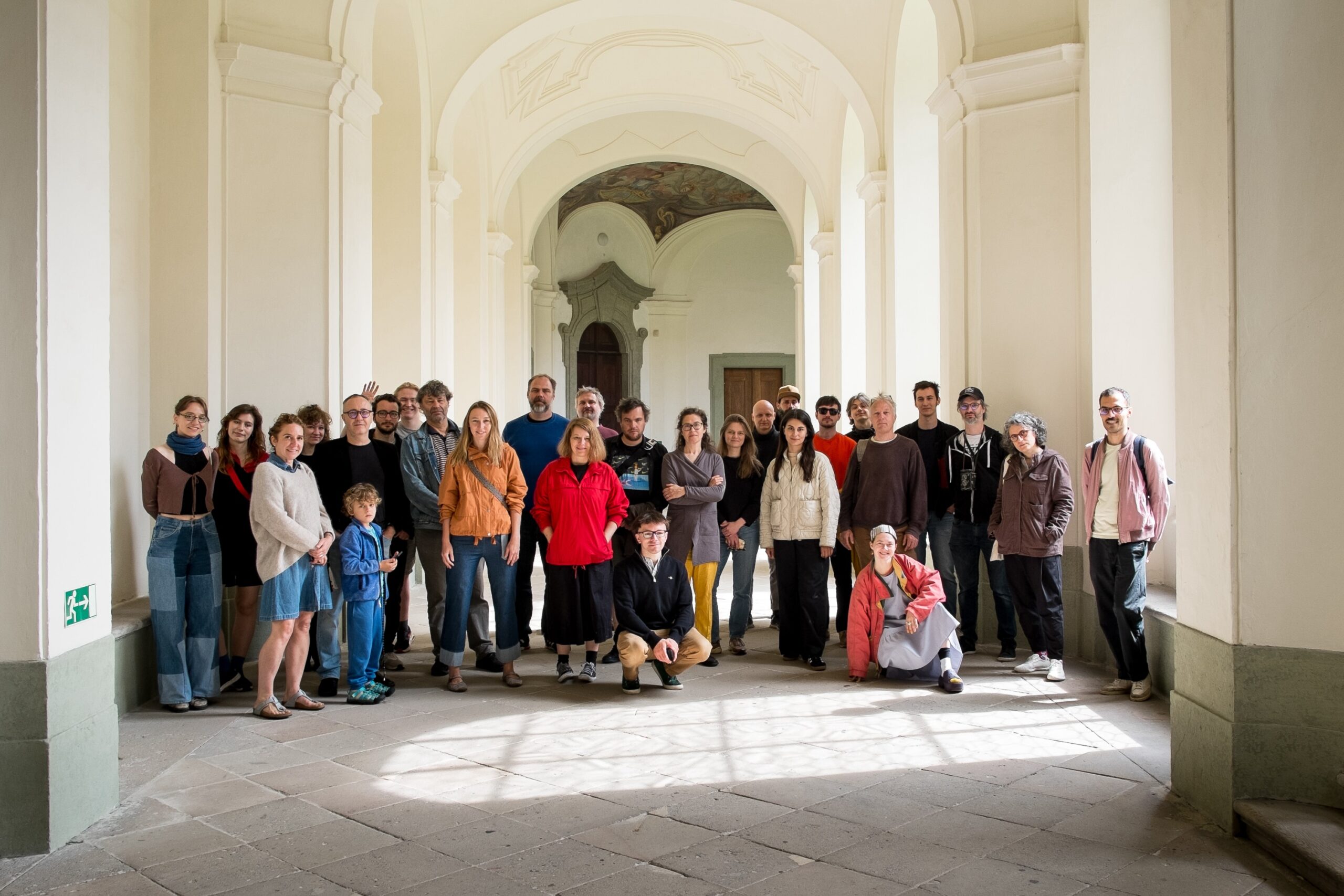
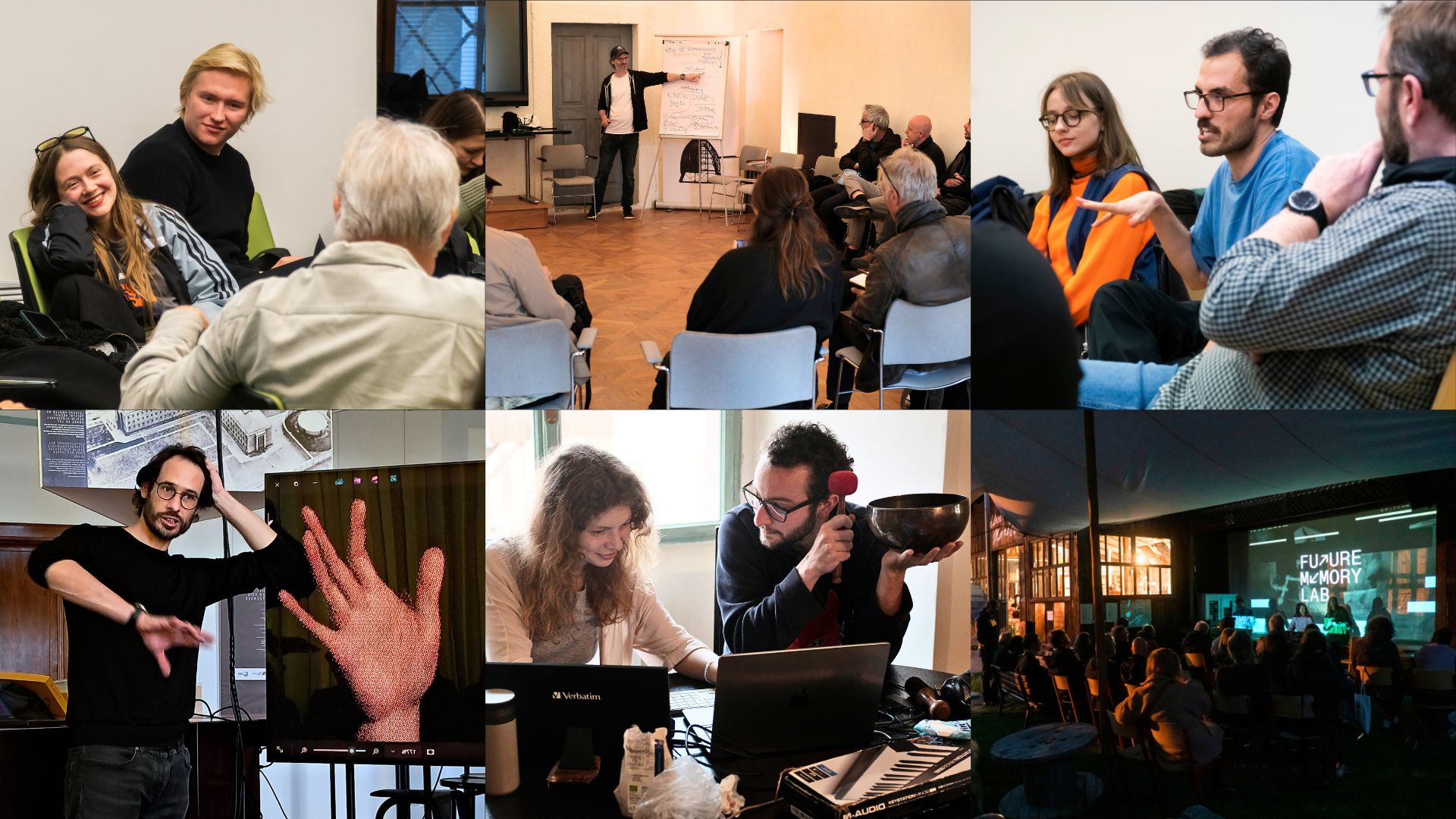
I’ve been working with archives for a couple of years already, but I’ve always felt a lack of information regarding copyright, legal, and ethical questions surrounding archival materials. In Plasy, experts on these topics were invited—not only to give general lectures but also to offer individual consultations where I could discuss my specific questions in detail. The most important part for me was the intimate setup they created. From morning meditations to shared meals, the environment fostered a friendly and open space where I could share my thoughts and ideas freely with others—and also make friends. Even in the evenings, informal gatherings were arranged, giving us further opportunities to exchange and reflect on everything we had done and learned during the day.
Gordon Lovitt / producer, Now Production
Future Memory Lab was a great experience. There were wonderful workshops on how to use archive combined with a multidisplinary approach to working on our film – helping to enrich our concept and its realisation.
Future Memory Lab helped develop our film in numerous ways = supporting us with classic dramaturgy and production ideas, but also enriching the project with inputs from philosophy to ethnology. Also the whole experience was great fun to be part of!
Josef Krajbich / editor and director
From the initial fear shaped by experiences with other film workshops—where one often gets stuck in endlessly repeated questions such as “what is the DNA of your project?” or “why are you actually making this film?”—FML, thanks to its well-chosen tutors, managed to establish a very friendly and non-invasive atmosphere. This then made it possible to dive deeply into the issue of working with memory as such and into how to approach it progressively through cinematic language. At first glance, FML might appear to be too narrowly focused solely on working with archives. I was, however, very surprised by how broad a territory the projects actually roam and how formally diverse they are—something immensely inspiring for an author who is often cocooned within their own theme and approach. I also greatly appreciate the interdisciplinary connections with people outside the filmmaking sphere and the great party at the drained swimming pool in the magical town of Manětín.
Jan Bodnár / producer, Gnomon Production
The Future Memory Lab workshop was a very inspiring and beneficial experience for us. Thanks to participating with the project Uprchlík (The Refugee), we had the opportunity to view our theme within a broader context of working with memory, archives, and personal experience, all within a safe and stimulating environment of open discussion. We greatly value the professional feedback, the sensitive guidance of the mentors, and the space for experimentation and for seeking new narrative paths, which helped move the project forward significantly, both conceptually and dramaturgically.
Barbora Venclová / director
For me, the FML workshop was truly very beneficial. It helped me orient myself in working with archival material, to realize what it can actually be and how wide the range of possible approaches to it is. Overall, all the meetings and consultations—both in the editing room and with international tutors—were enriching for me. I would especially like to highlight the residency in Plasy and the program in Jihlava, where it was possible to work on the material with deep focus and to practice, for example, pitching our projects.
From the very beginning, my great wish was to discover something unexpected in the archive, and this was achieved beyond expectations—we are now working with a previously unknown and very compelling story. I also established collaborations with colleagues I would not otherwise have met, specifically with a director-editor and a producer. Personally, I consider the entire year-long program to have been far more beneficial than expected, and I would definitely recommend it to other students as well.
Šimon Hermann / sound designer, sound engineer, director
As someone who, from my position as a sound engineer and composer, has not had much insight into many film workshops, Future Memory Lab represented a major challenge for me in terms of developing my cinematic practice and broadening my perspective. As part of my doctoral studies, I planned to create an experimental film as the practical component, exploring the use of drone music in audiovisual works. This lab—specifically Lucie Králová, Miriam Ryndová, and other willing mentors and collaborators—welcomed me with great kindness from the very beginning and helped me find a path toward an initial film form. There were many strong moments and inspiring sessions, but I would highlight three that were most crucial for me:
- The case study by director Farahnaz Sharifi, who in her film My Stolen Planet successfully connects personal archives with a minimalist musical layer, presenting two sides of women’s lives in Iran: resilient friendships and the oppressive aftertaste of repression. Adam Brothánek’s lecture on the possibilities of formal work with archives, which opened my eyes—and doors—to new experiments in editing composition.
- The workshop in Plasy, which through its complexity helped establish a high level of focus on working with archival materials.
- Everything concluded at MFDF Ji.hlava, where everyone presented their project as part of the official pitching program.
It became clear how much all of us had progressed over the year—not only in our perception of and work with archival materials, but also in strengthening our self-confidence in asserting ourselves within the film industry.
Kateryna Ruzhyna / director
I am very glad that we were able to become part of its first edition. Work on our film touches on very fragile and sensitive topics, and precisely for this reason the feedback and guidance from the mentors were exceptionally valuable for us.
The workshop helped us not only to formulate more concrete methods of working with the material, but also to delve more deeply into the film’s structure. Thanks to this, we were able to grasp more clearly the meanings the film carries and the questions it seeks to open. I consider the selection of mentors to be one of the strongest aspects of Future Memory Lab—their insight, experience, and sensitive approach were crucial for our project. We also greatly valued the sharing of know-how in the fields of production and film marketing.
The program also enabled a number of important and useful meetings during the International Documentary Film Festival Ji.hlava, which opened up new possibilities and perspectives for our film’s further path within the audiovisual industry. For me, Future Memory Lab represented a safe and inspiring space for the development of a project that is only at the beginning of its cinematic journey, as well as a very important impulse for its future direction.